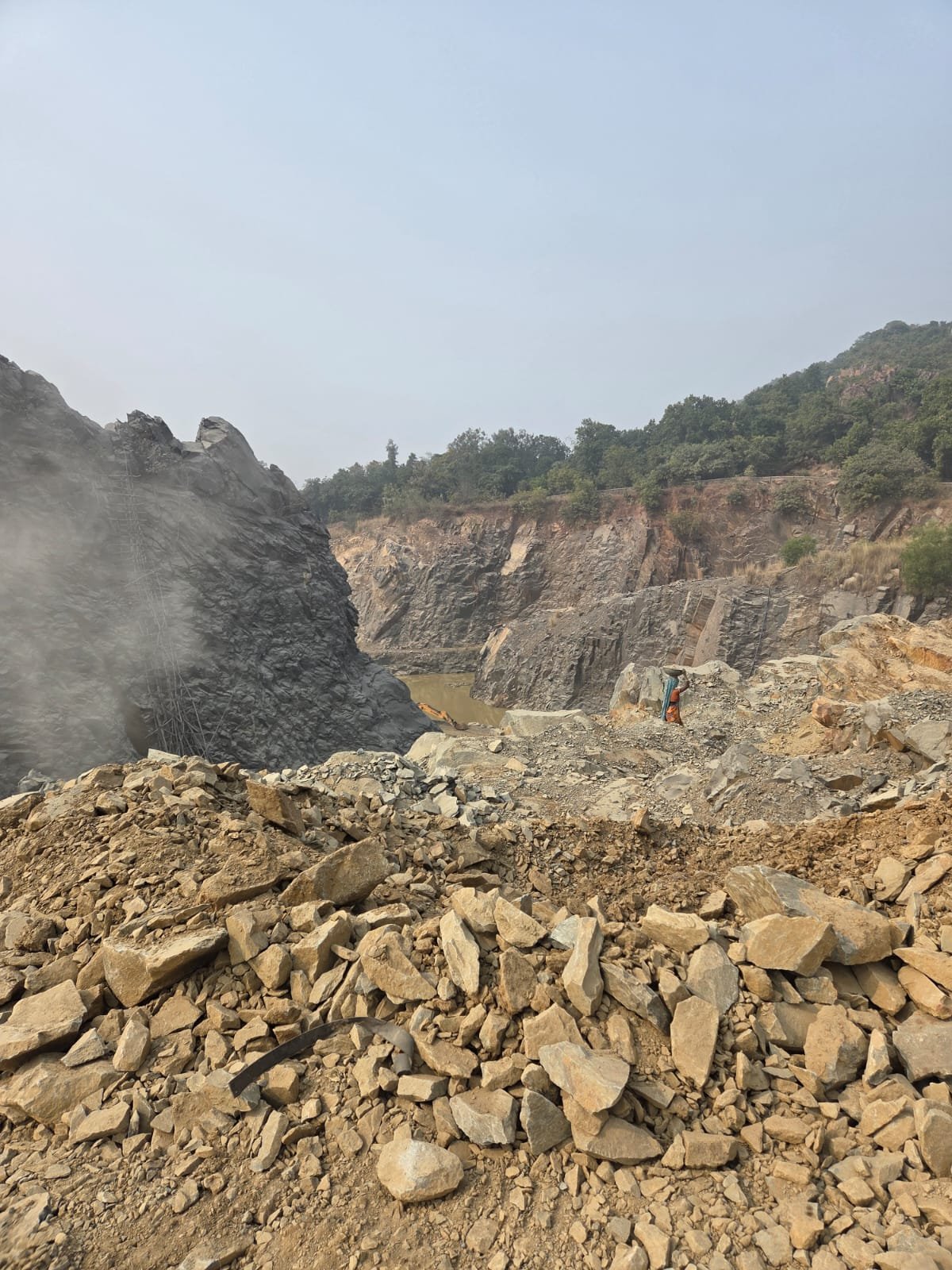
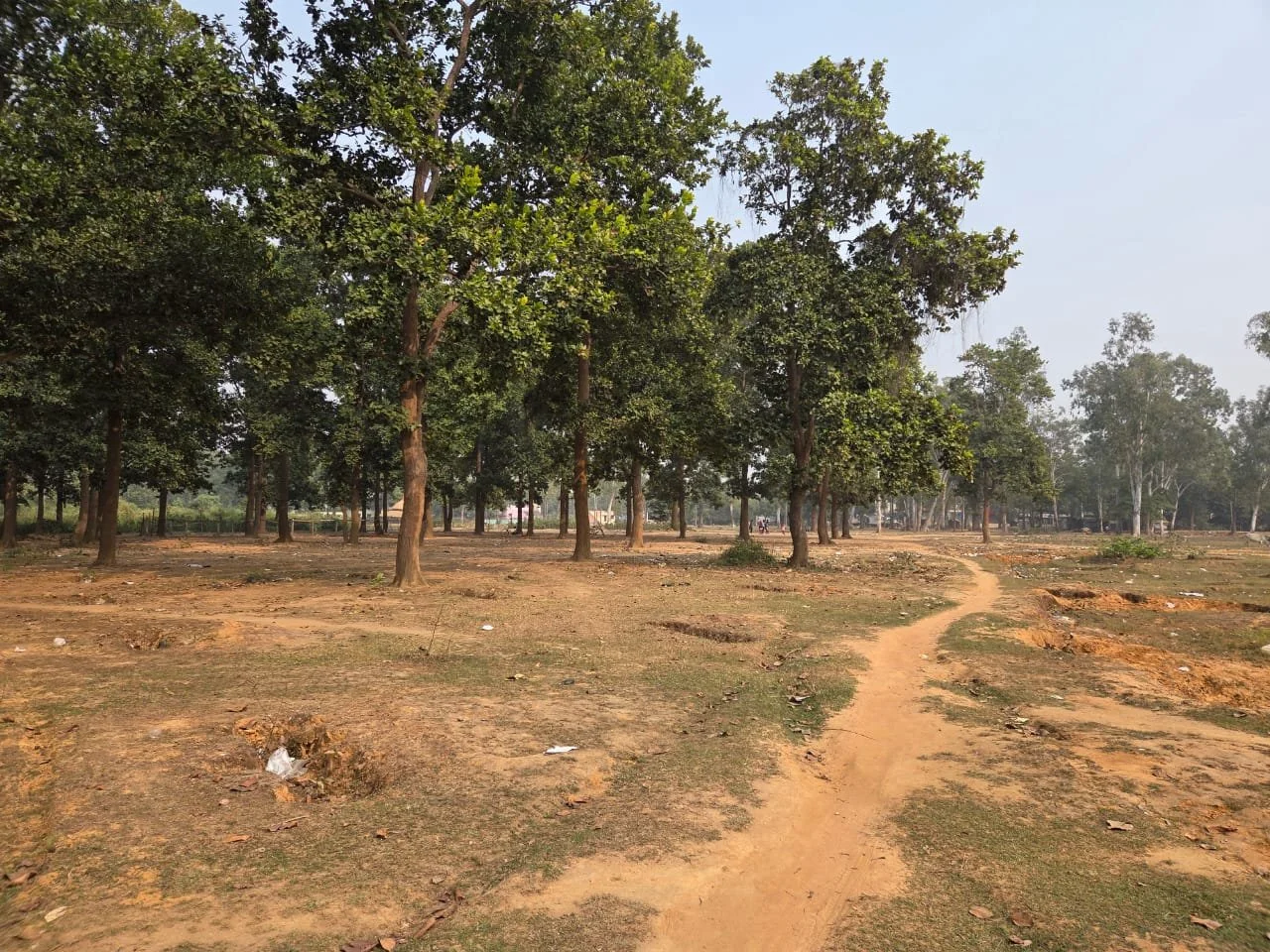
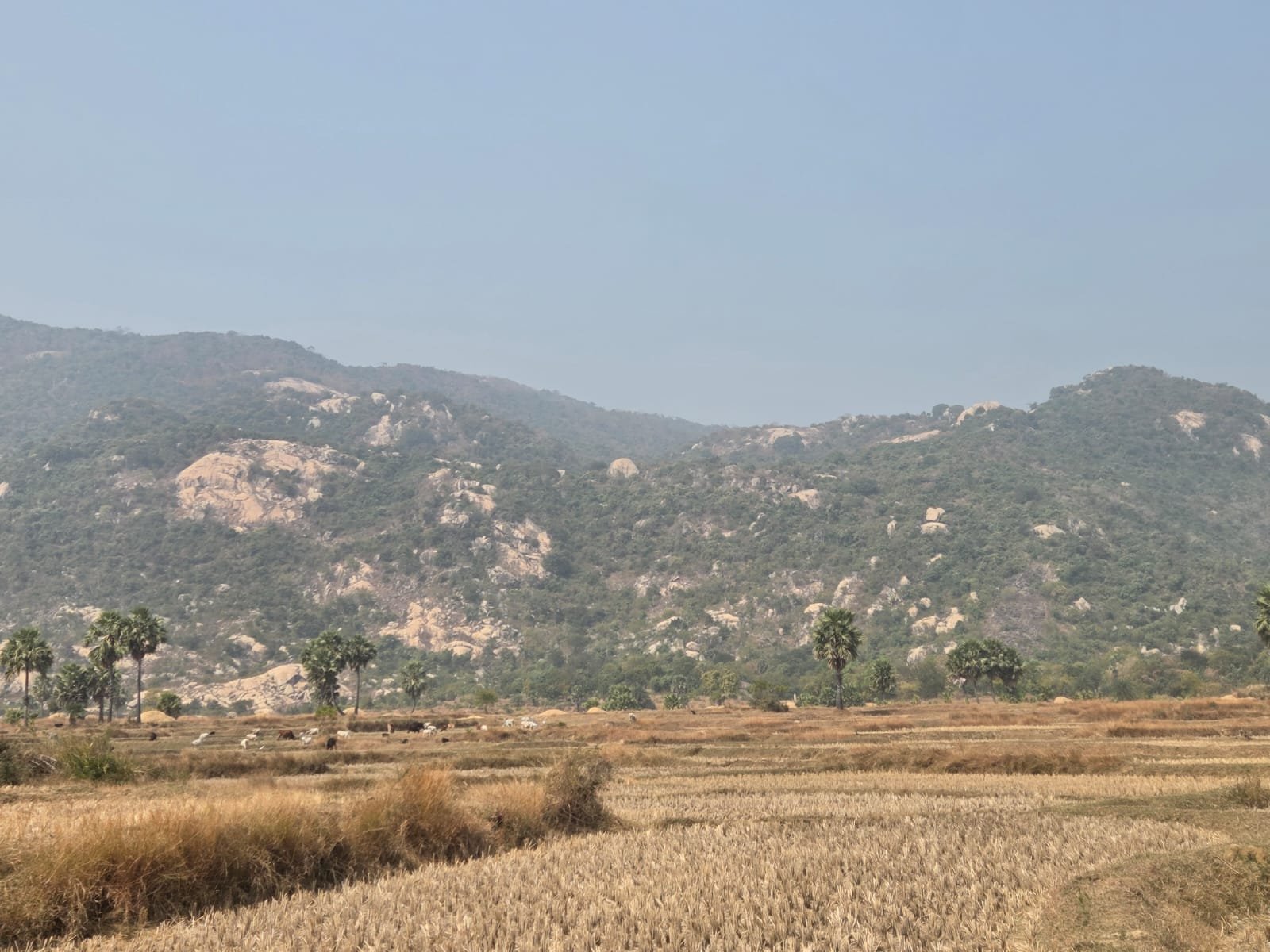
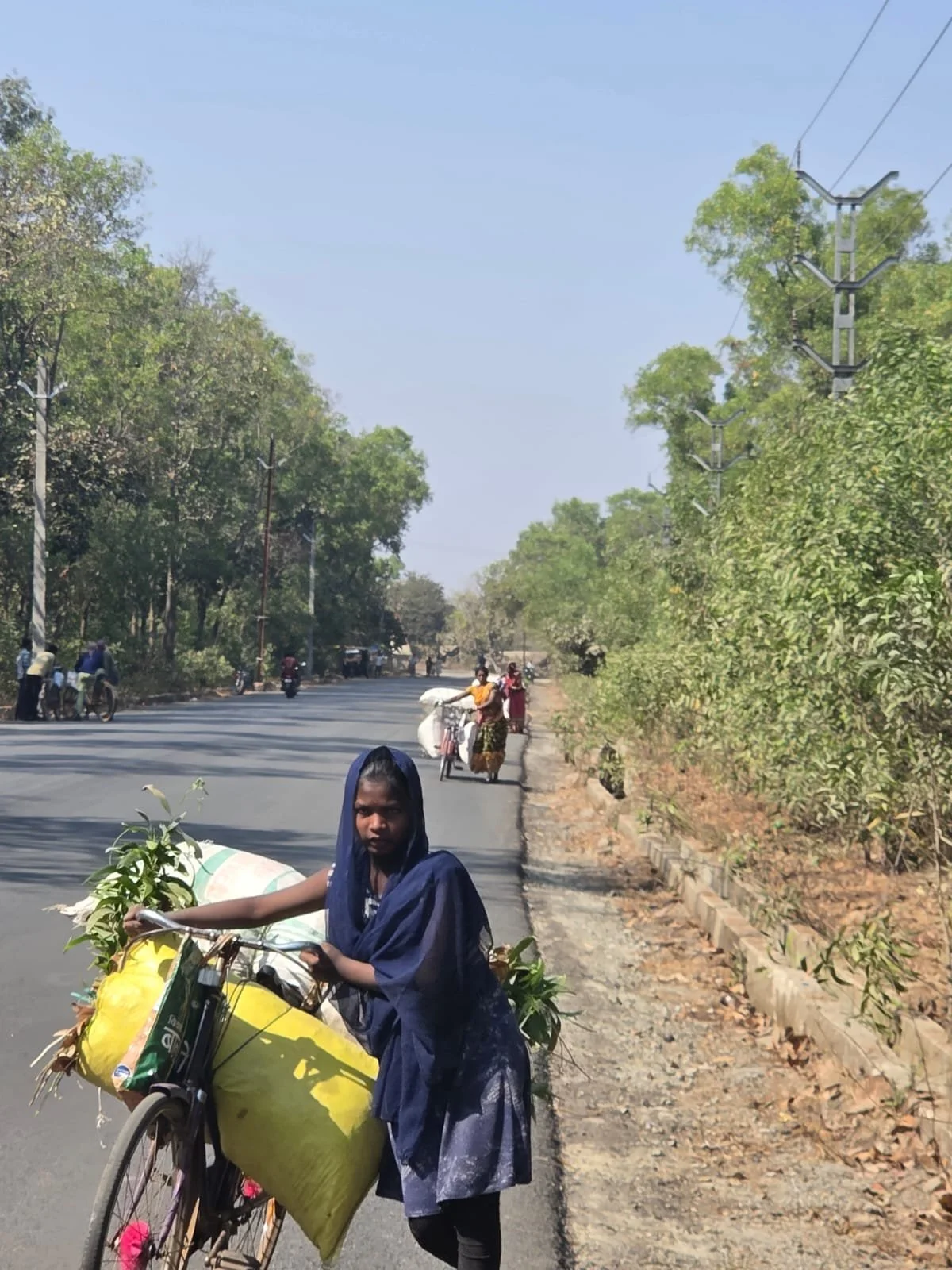
We pride ourselves on our comprehensive Integrated Development Plan structured around three key environmental pillars: Earth, Water, and Air. Each pillar represents a coordinated set of initiatives designed to promote sustainability, improve resource efficiency, and support long-term economic and environmental resilience.
Under the Earth pillar, our work focuses on soil rejuvenation and the promotion of sustainable agricultural practices. This includes implementing soil restoration techniques such as organic enrichment, crop rotation, and regenerative farming methods aimed at improving soil health and fertility. In addition, we encourage crop diversification to reduce monoculture dependency, enhance ecosystem balance, and increase agricultural productivity and resilience. A key aspect of this initiative involves engaging directly with farmers through training programs, workshops, and field demonstrations that introduce modern farming techniques, efficient input management, and climate-resilient agricultural practices.
The Water pillar of the program centers on improving water security through systematic water harvesting and resource management. We support the design and implementation of rainwater harvesting and water storage systems across industrial, rural, and residential settings. These systems are intended to build local water reserves that can be utilized during periods of scarcity or emergency. Alongside water conservation, we promote water recycling and treatment solutions that enable the reuse of water for industrial processes and agricultural irrigation. By integrating storage, recycling, and distribution strategies, the initiative aims to create a more sustainable and circular water management ecosystem.
The Air pillar focuses on environmental quality and the transition toward cleaner energy systems. Our initiatives encourage the adoption of green and renewable energy solutions where feasible, while also assisting industries in reducing their atmospheric emissions. This is achieved through structured environmental audits and the use of advanced air quality monitoring tools that help measure pollutant levels and identify opportunities for emission reduction. In parallel, we are working to introduce and build awareness around the concept of carbon credits within the region. This effort is designed to prepare industries and stakeholders for participation in the government’s anticipated carbon trading market, expected to be implemented within the next one to two years. By fostering early understanding and readiness, we aim to help organizations align with emerging regulatory frameworks while contributing to broader climate mitigation goals.